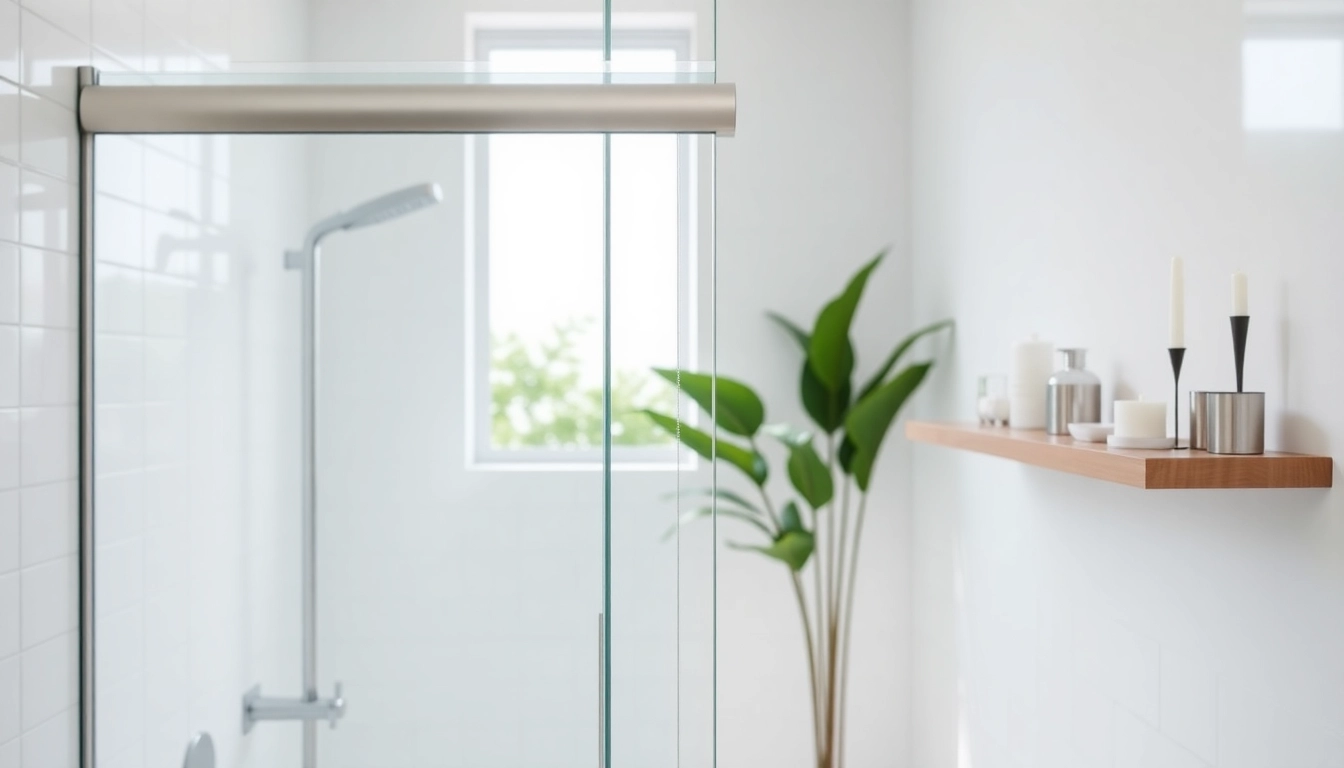
Understanding Shower Screen Sliding Door Options
Shower screen sliding doors have become a popular choice for modern bathrooms. With their sleek designs and space-saving features, they provide both functionality and aesthetic appeal. Selecting the right shower screen sliding door involves understanding the various styles and materials available, as well as the installation and maintenance processes involved. This comprehensive guide aims to help you make informed decisions about implementing this feature in your bathroom.
Types of Shower Screen Sliding Doors
There are several distinct types of shower screen sliding doors, each with unique features and benefits. The most common types include:
- Single Sliding Doors: These doors typically slide open one way, creating an unobtrusive entry. Ideal for smaller bathrooms.
- Double Sliding Doors: Both panels can slide, providing wider access. They are perfect for larger shower spaces.
- Frameless Sliding Doors: Offering a more modern look, these doors have minimal hardware and are easier to clean.
- Framed Sliding Doors: Equipped with a perimeter frame, they provide extra durability but can be more challenging to clean.
- Bi-Fold Sliding Doors: These doors fold inwards, allowing for maximum access and are an excellent choice for tight spaces.
Benefits of Shower Screen Sliding Doors
Shower screen sliding doors come with an array of benefits which make them an excellent choice for many homeowners:
- Space Efficiency: Sliding doors don't swing open, which is beneficial in smaller bathrooms with limited space.
- Style: They offer a modern and elegant aesthetic, enhancing the overall look of your bathroom.
- Water Containment: Properly installed sliding doors can effectively prevent water from escaping the shower area.
- Versatility: Available in various styles and finishes, they can be tailored to suit any bathroom decor.
- Ease of Use: Generally easier to operate than traditional hinged doors, making them user-friendly for all ages.
Choosing the Right Material for Durability
When selecting a shower screen sliding door, the choice of materials can significantly impact durability and maintenance. The most common materials include:
- Tempered Glass: This is the most popular material due to its strength and safety features. When broken, it shatters into small, blunt pieces.
- Plastic (Acrylic or Polycarbonate): Lighter and typically less expensive, these materials are less prone to shattering. However, they can scratch more easily.
- Stainless Steel: Used for frames and handles, this material offers a modern look and is resistant to corrosion.
Installation Process for Shower Screen Sliding Door
Essential Tools for Installation
Before you begin the installation process, gather the necessary tools. These typically include:
- Measuring tape
- Screwdriver (Phillips and flat-head)
- Drill and drill bits
- Level
- Utility knife
- Caulk gun
- Safety goggles and gloves
Step-by-Step Installation Guide
Installing a shower screen sliding door requires careful planning and execution. Follow this step-by-step guide to achieve a successful installation:
- Measure the opening where the shower door will be installed to ensure you purchase the right size.
- Gather tools and prepare your workspace, ensuring it is clean and dry.
- Install the bottom track according to the manufacturer’s guidelines; ensure it is level.
- Secure the side tracks to the walls using screws, ensuring they are perpendicular to the ground.
- Insert the glass panels into the rail, ensuring they glide smoothly.
- Install the handles and seals after ensuring the door operates correctly.
- Caulk around the edges to waterproof and secure the door installation.
Common Mistakes to Avoid During Installation
To ensure successful installation of the shower screen sliding door, be aware of common pitfalls:
- Improper Measurements: Always double-check dimensions before purchasing materials to avoid costly errors.
- Neglecting Leveling: Not leveling the tracks can lead to uneven door movement.
- Insufficient Sealing: Failing to caulk properly can result in water damage around the door.
- Ignoring Manufacturer Instructions: Always follow specific instructions provided by the manufacturer for best results.
Maintenance Tips for Longevity of Shower Screen Sliding Door
Routine Cleaning Techniques
Maintaining the appearance and functionality of your shower screen sliding door is paramount. Regular cleaning can prevent soap scum and grime buildup:
- Use a mild detergent mixed with warm water and a soft cloth or sponge.
- Avoid abrasive cleaners that may scratch the glass or finish.
- Wipe down the door after every shower to prevent water spots and buildup.
Preventing Water Spots and Build-up
Water spots can be frustrating, but there are strategies to minimize them:
- Apply a water-repellent product designed for glass surfaces.
- Consider using a squeegee after each shower to remove excess water.
- Regularly inspect the seals for damage, as leaking water promotes build-up.
Checking and Replacing Seals
To maintain your shower screen sliding door's efficiency, regularly inspect the sealing strips.
- Look for wear, tear, or any signs of mold or mildew.
- Replace any damaged seals promptly to prevent leaks.
- Use waterproof silicone sealant if needed to enhance sealing capabilities.
Custom Designs for Shower Screen Sliding Door
Tailoring Dimensions to Your Bathroom
One of the most appealing aspects of shower screen sliding doors is the ability to create custom designs:
- Measure your space accurately to ensure the door fits perfectly.
- Consult with professionals if you want a completely customized solution to unique spaces.
Choosing Finishes and Hardware Accents
Finishes and hardware can vastly improve the look of your shower screen sliding door:
- Consider finishes like chrome, brushed nickel, or matte black to complement your bathroom.
- Choose hardware like handles and hinges that are both functional and stylish.
Incorporating Personalized Features
Personalizing your shower screen sliding door can lead to a unique look:
- Add decorative etchings or patterns on the glass for a touch of elegance.
- Incorporate unique lighting elements, such as LED strips, for ambiance.
FAQs About Shower Screen Sliding Door
What is a shower screen sliding door made of?
A shower screen sliding door is typically made of tempered glass, ensuring safety and durability, along with metal frames and hardware for stability.
How do I clean a shower screen sliding door?
To clean a shower screen sliding door, use a mild detergent mixed with warm water. Avoid abrasive cleaners and regularly wipe the surface after use.
Can I install a shower screen sliding door myself?
Yes, with basic tools and DIY skills, you can install a shower screen sliding door following a detailed step-by-step guide, but professional installation is advisable for complex setups.
What size should my shower screen sliding door be?
The size of your shower screen sliding door should fit your shower space precisely; measure the width and height of the shower entrance for the best fit.
How much does a shower screen sliding door cost?
The cost of a shower screen sliding door varies based on size, material, and design, but prices can range from budget-friendly options to high-end custom designs.