
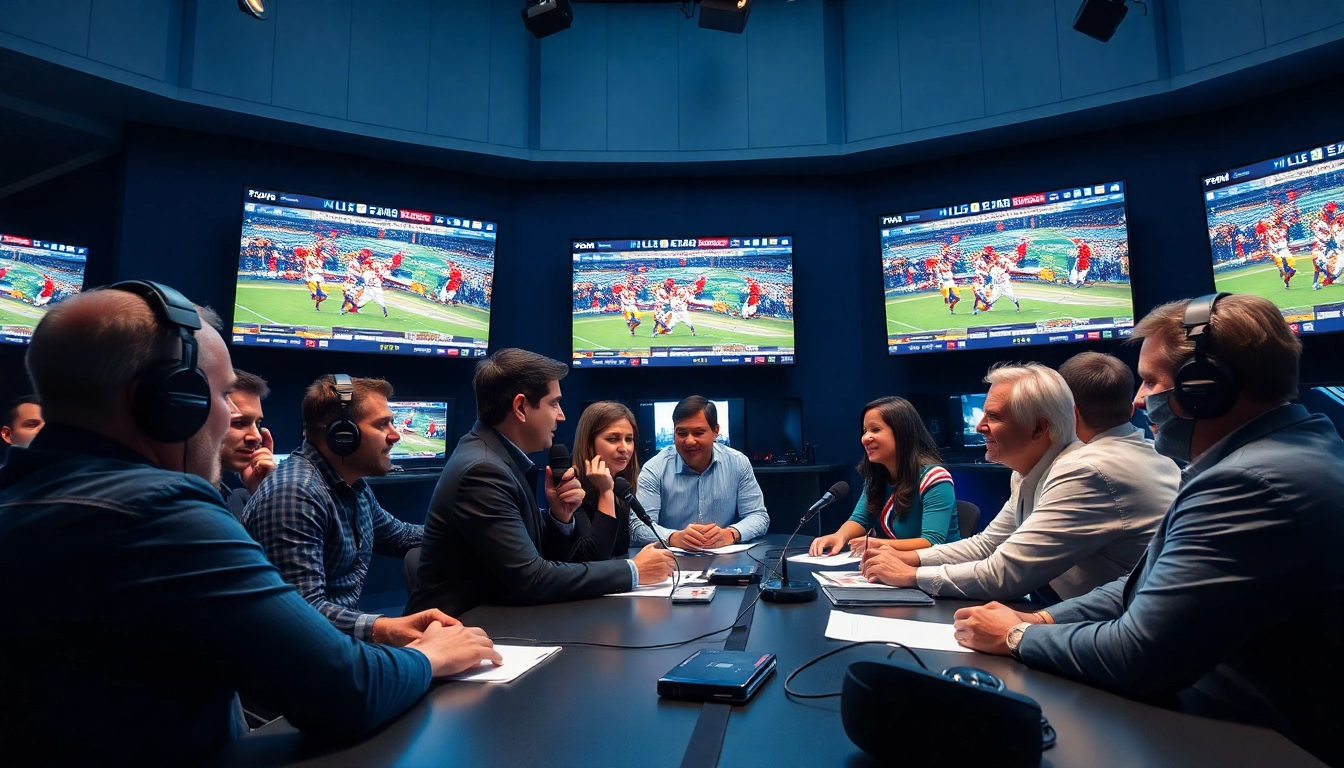
Understanding the Landscape of Sports Broadcasting
The History and Evolution of Sports Broadcasting
Sports broadcasting has undergone a profound transformation since its inception. In the early days of radio during the 1920s, play-by-play commentary emerged as a new method to engage audiences who could not attend live events. As technology advanced, television became the primary medium for broadcasting sports. By the mid-20th century, iconic events like the Super Bowl and World Cup began capturing millions of viewers, signifying the importance of televised sports. Fast forward to today, and the rise of digital platforms has shifted the paradigm once again, deeply influencing how fans consume content. Streaming services have given rise to new formats, enabling fans to engage with sports as never before, driving the demand for innovative content strategies in Sports Broadcasting.
Key Players in the Sports Broadcasting Industry
The sports broadcasting industry is a complex ecosystem consisting of numerous stakeholders. Major television networks have historically dominated this space, negotiating lucrative contracts with sports leagues for broadcasting rights. However, the explosion of digital platforms has introduced formidable new players into the mix, such as streaming services that have rearranged the competitive landscape. Data analytics, production companies, and sports teams themselves are also instrumental in shaping the industry. Each of these entities plays a crucial role in the delivery of content, ultimately resulting in a richer viewing experience for sports fans around the world.
Importance of Audience Engagement in Sports Broadcasting
Audience engagement is paramount in the realm of sports broadcasting. Television ratings alone do not capture the full spectrum of fan interaction; thus, broadcasters must leverage social media, apps, and other platforms to create deeper connections with their audience. Engaging fans not just during the game, but throughout the year, can enhance brand loyalty and community building. Techniques such as live polling, interactive graphics, and personalized content help maintain viewer interest and participation, which can drive viewership and revenue in an increasingly crowded marketplace.
Technology Transforming Sports Broadcasting
Role of Live Streaming in Sports Broadcasting
The emergence of live streaming has revolutionized how sports are consumed. Traditional television schedules often exclude smaller sports or events, but streaming platforms allow these to reach previously untapped audiences. Viewers can watch games from anywhere, on any device, leading to an increase in global sports fandom. Moreover, live streaming facilitates innovative features like multi-camera views and instant replays, enriching the user's viewing experience. Broadcasting significant sporting events via streaming has not only created new revenue streams but also democratized access to live sports.
Innovations in Broadcast Production Techniques
Modern broadcast production techniques have significantly advanced, primarily driven by technology. Ultra-high-definition (UHD) cameras, advanced graphics, and augmented reality are becoming commonplace in sports broadcasts. For instance, 360-degree cameras create immersive environments that transport fans closer to the action. Additionally, automated production technologies streamline operations, allowing broadcasters to deliver high-quality content with minimal human intervention. These innovations not only enhance the aesthetics of broadcasts but also position the viewer as a participant rather than a passive observer, ultimately increasing viewer satisfaction.
Future Technologies and Their Impact on Sports Broadcasting
The future of sports broadcasting lies in diverse technologies currently evolving. Artificial intelligence and machine learning are expected to impact everything from content personalization to predictive analytics. Virtual reality (VR) could transform how audiences experience live sports, offering a front-row seat from the comfort of their homes. Additionally, 5G technology promises faster data transfer, enabling seamless streaming even in crowded stadiums, further enhancing the viewing experience. As these technologies mature, they will redefine audience interaction and ultimately shape the competitive landscape in sports broadcasting.
Best Practices for Effective Sports Broadcasting
Building a Strong Sports Broadcasting Team
The foundation of effective sports broadcasting lies in a skilled team. A successful team must include not just on-air talent but also behind-the-scenes technical staff, production managers, and social media strategists. Each person's role should align with the shared vision of creating engaging content that resonates with the target audience. Encouraging collaboration and continuous training ensures that team members stay ahead of industry trends and challenges, paving the way for innovative broadcasting strategies.
Strategies for Engaging Viewers
Engaging viewers requires a multifaceted approach. Offering varied content — from traditional game broadcasts to behind-the-scenes stories — can attract a diverse audience. Implementing viewer interaction through platforms like social media allows fans to voice their opinions and interact with teams and athletes. Additionally, considering the use of gamification, such as fantasy sports or contests, can motivate fans to remain engaged long after the final whistle. Timely, relevant content around sporting events will keep audiences eager for the next broadcast.
Measuring Success in Sports Broadcasting
Measuring success in sports broadcasting goes beyond viewership ratings. Metrics such as viewer retention rates, social media engagement, audience feedback, and revenue generated from different platforms are key indicators. Broadcasting channels must utilize analytics tools to gather insights on viewer preferences and behaviors, enabling them to refine their strategies continually. Regularly assessing these metrics will ensure that the broadcasting operations can adapt to changing viewer expectations and industry trends effectively.
Legal and Ethical Considerations in Sports Broadcasting
Copyright and Licensing Issues in Sports Broadcasting
Copyright and licensing are core elements of sports broadcasting. Broadcasters must ensure they have the legal rights to air events, which often involves complex negotiations with leagues and teams. Violating copyright can lead to hefty fines and legal repercussions, making it crucial for broadcast organizations to be well-versed in copyright laws and licensing agreements. Understanding these aspects not only protects the broadcaster but also supports the sports industry as a whole.
Ethical Responsibilities of Sports Broadcasters
Ethical responsibilities in sports broadcasting extend beyond legal compliance. Broadcasters have an obligation to provide fair and equitable coverage, avoiding biases that can alter public perception. Transparency in reporting, particularly during sensitive situations, is necessary to maintain trust with the audience. Additionally, broadcasters should avoid sensationalism, instead focusing on facts and integrity. Upholding ethical standards ensures accountability and enhances the reputation of sports broadcasting as a whole.
Navigating Regulations in Sports Broadcasting
Broadcast regulations vary by region, and navigating them can be challenging. Regulatory bodies impose rules that govern everything from advertising to content coverage. Broadcasters must remain informed about these regulations to ensure compliance and avoid potential penalties. Conducting regular training and consultations with legal experts will assist broadcasters in understanding and adhering to these legislative frameworks, ultimately enabling them to operate within the legal confines while still delivering captivating content.
FAQs: Key Insights on Sports Broadcasting
What is sports broadcasting?
Sports broadcasting involves the live transmission of sporting events to an audience via various media channels.
How has technology changed sports broadcasting?
Technology has introduced live streaming, advanced graphics, and interactive viewer engagement, enhancing the sports viewing experience.
What are the key challenges in sports broadcasting?
Key challenges include audience retention, managing costs, and navigating licensing agreements for broadcasting rights.
Why is audience engagement important in sports broadcasting?
Audience engagement boosts viewership, creates brand loyalty, and enhances the overall experience for fans watching events live.
How can broadcasters measure their success?
Metrics such as viewership ratings, audience feedback, and social media interaction can help broadcasters assess their performance.